
Cumbrian businesses are a mix you don’t find in many places: food and drink producers and engineering firms on Carlisle’s estates, hauliers on the M6 and A69, and farms, auction marts and rural estates spread across the Eden Valley, the Solway plain and West Cumbria. Many are run by the people who own them. BrightEdge Solar designs and installs commercial and farm solar PV and battery storage across Carlisle and Cumbria. We’ve re-clad farm stores with battery storage, built a low-ballast flat-roof array in a high-wind location at Woodsmith Mine near Whitby, and a ground-mounted array at Wapplington near Pocklington. We’re based in Beverley, East Yorkshire, and install commercial systems across the UK.








Wind, rain and coastal air are part of the brief. We design fixings and layouts for the site’s exposure. At Woodsmith Mine near Whitby we used a low-ballast flat-roof mounting system designed for a high-wind location.
Farms and estates often need power taken from one building to another. We plan cable routes, trenching and supply capacity at the survey stage.
From first call to aftercare
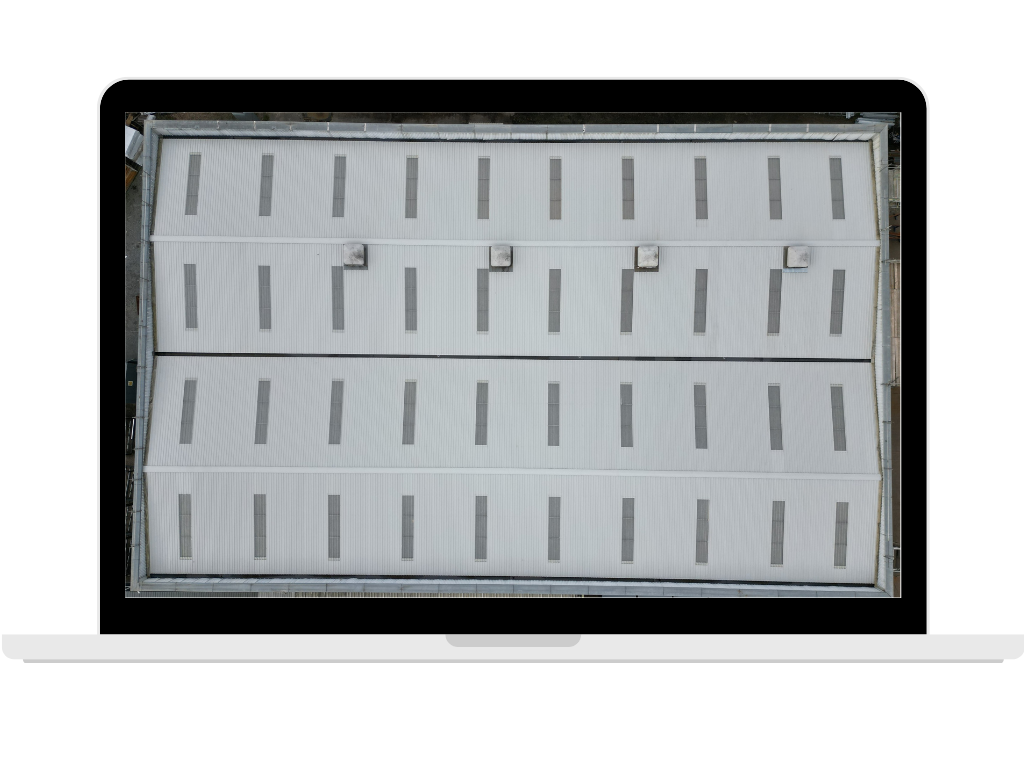
Initial call: we look at your bills and, ideally, half-hourly data. Desktop design: satellite imagery and mapping give us an initial layout and estimate, often before we visit.
Site survey: roof, structure, electrical supply, existing G99 approvals and access. Proposal: final design, expected generation, costs and timescale.


G99 application: we submit and track it, along with any planning application. Installation and commissioning: MCS-compliant, planned around your busy periods.


Remote monitoring, plus optional annual maintenance to MCS MIS3002.
Initial call: we look at your bills and, ideally, half-hourly data. Desktop design: satellite imagery and mapping give us an initial layout and estimate, often before we visit.

Site survey: roof, structure, electrical supply, existing G99 approvals and access. Proposal: final design, expected generation, costs and timescale.
G99 application: we submit and track it, along with any planning application. Installation and commissioning: MCS-compliant, planned around your busy periods.

Remote monitoring, plus optional annual maintenance to MCS MIS3002.
See our recent projects
Profiled-metal and composite roofs on units and farm buildings. Exposed sites need fixings and layouts designed for the wind, and we check the roof structure and condition first. At Woodsmith Mine near Whitby we used a low-ballast flat-roof system designed for a high-wind location. For farms, see agricultural and farm solar.

Where a roof isn’t suitable, or a building needs re-cladding first, a ground-mounted array on spare land can be the answer. We built a 29 kWp ground-mounted array at Wapplington near Pocklington in the East Riding. Ground-mounted arrays are more likely to need planning permission, so we check that at the start.

Including on systems installed by other firms: inspection, fixing and re-certifying non-compliant systems, and ongoing maintenance.

Yes. We cover Carlisle, Penrith, West Cumbria, Kendal and the rest of Cumbria from our base in Beverley, and we install commercial systems across the UK.
SP Electricity North West, formerly Electricity North West. We handle the G99 application with them, which typically adds 8–12 weeks before installation.
Yes. We install on farm buildings and stores, re-clad tired buildings before fitting panels, and build ground-mounted arrays on spare land, with batteries for early starts. We plan cable runs between buildings at survey.
We design the fixings and layout for the site’s exposure, as we did at Woodsmith Mine near Whitby, where we used a low-ballast flat-roof system designed for a high-wind location. We check the roof structure and condition first.
Typically about £17,000–£21,000 for 30 kWp, £28,000–£37,000 for 50 kWp and £50,000–£65,000 for 100 kWp, excluding VAT. Systems of 150 kWp and above are typically about £420–£650 per kWp. Book a free survey for an accurate quote.
Many rooftop systems on commercial buildings fall under permitted development, subject to conditions and size limits. Ground-mounted arrays, listed buildings and sites near Hadrian’s Wall or in the Lake District are more likely to need permission. We’ll check for your site and apply if it’s needed.
We work with businesses, farms and estates across:
These are areas we cover, not a list of past installs. For farms, see also agricultural and farm solar. We also cover commercial solar in Lancashire.
Cumbria’s local network is run by SP Electricity North West (formerly Electricity North West). Almost every commercial system needs G99 approval before installation. Rural networks can have limited capacity, so we check early what the DNO is likely to allow. We prepare and submit the application with the technical details and single-line diagrams the DNO needs, and deal with any queries. Approval typically adds 8–12 weeks before installation, so we start it early.
If the DNO limits how much you can export, we design around it with export limitation, a battery, or both, so you still use what you generate on site. Already have G99 approval for an older system? We can sometimes size the new inverter to fit within it, as we did on an industrial site in Doncaster. Read more: G99 applications explained.
Many rooftop systems on commercial buildings fall under permitted development, subject to conditions and size limits. Ground-mounted arrays are more likely to need planning permission. In Cumbria, local factors include:
We’ll check for your site and apply if it’s needed.
Indicative installed costs for commercial solar PV, by system size (ex VAT):
Commercial battery storage typically costs about £350–£450 per kWh installed, including the hybrid inverter. As a real example, a 42 kWh battery with a 20 kW hybrid inverter added to an existing system came to about £16,000.
Prices exclude VAT, which is charged at 20% on commercial installs. Simple roofs with good access sit at the lower end. Fibre-cement roofs, premium panels, scaffolding and safety systems such as rooflight protection or Man-Safe lifelines push the price up. Every quote sets out equipment, installation, scaffolding and DNO costs separately, so you can compare like for like.
Send us a recent electricity bill, your half-hourly data if you have it, and details of any existing G99 approval. We’ll come back with an initial view on system size and whether solar makes sense for your building.
Call 01482 765063 · info@brightedgesolar.com
BrightEdge Solar Ltd, Colonial House, Swinemoor Lane, Beverley HU17 0LS. MCS certified (NIC-601602). RECC member.